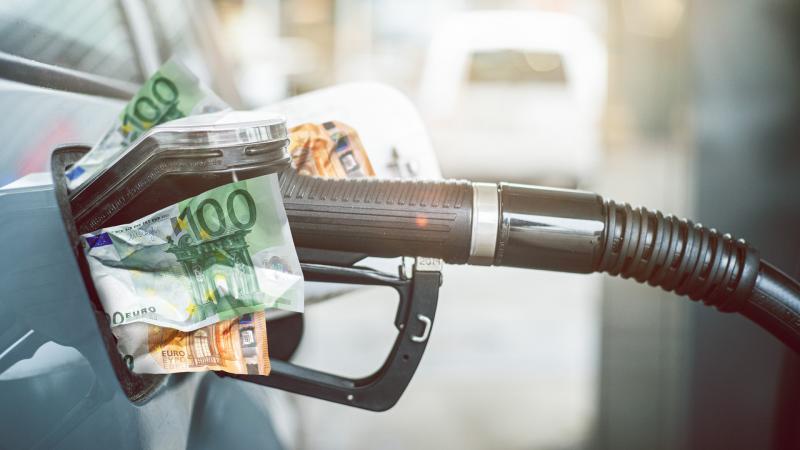
The continuous rise in gasoline prices has become a daily challenge for drivers worldwide. Recently, fuel prices have surged significantly, sometimes exceeding a 10% increase in just a few days, with the average cost approaching or surpassing €1.8 per liter. Greece, in particular, ranks among the most expensive European countries for fuel, making economical driving more important than ever.
In this environment, smart driving habits and strategic choices can make a real difference in reducing expenses.
Tips for Economical Driving
1. Maintain a steady speed – avoid sudden movements
Abrupt accelerations and hard braking increase fuel consumption. Smooth driving at a steady pace can reduce fuel use by up to 20%.
2. Proper use of gears
Drive at low engine RPM and shift gears on time. The more “relaxed” the engine works, the less fuel it consumes.
3. Check tire pressure
Underinflated tires increase resistance and fuel consumption. Regular checks can significantly lower costs.
4. Reduce unnecessary weight
Every extra kilogram adds to fuel consumption. Remove items from your trunk that aren’t needed.
5. Limit air conditioning use
AC can raise fuel consumption, especially in city driving. Use it sparingly.
6. Vehicle maintenance
A well-maintained car (oil, filters, spark plugs) runs more efficiently and consumes less fuel.
Alternative Transportation Options
With fuel prices remaining high due to international and energy market factors, more drivers are seeking alternatives:
- Carpooling
- Public transportation
- Biking for short distances
- Renting a car only when needed
The Role of Platforms like Wheeldot
Modern car rental platforms, such as Wheeldot, play a key role in this new reality. Wheeldot allows users to rent a car only for the time they need it, avoiding fixed ownership costs like insurance, maintenance, and fuel. This offers an especially economical solution for those who don’t use a car daily or want to reduce overall transportation costs.